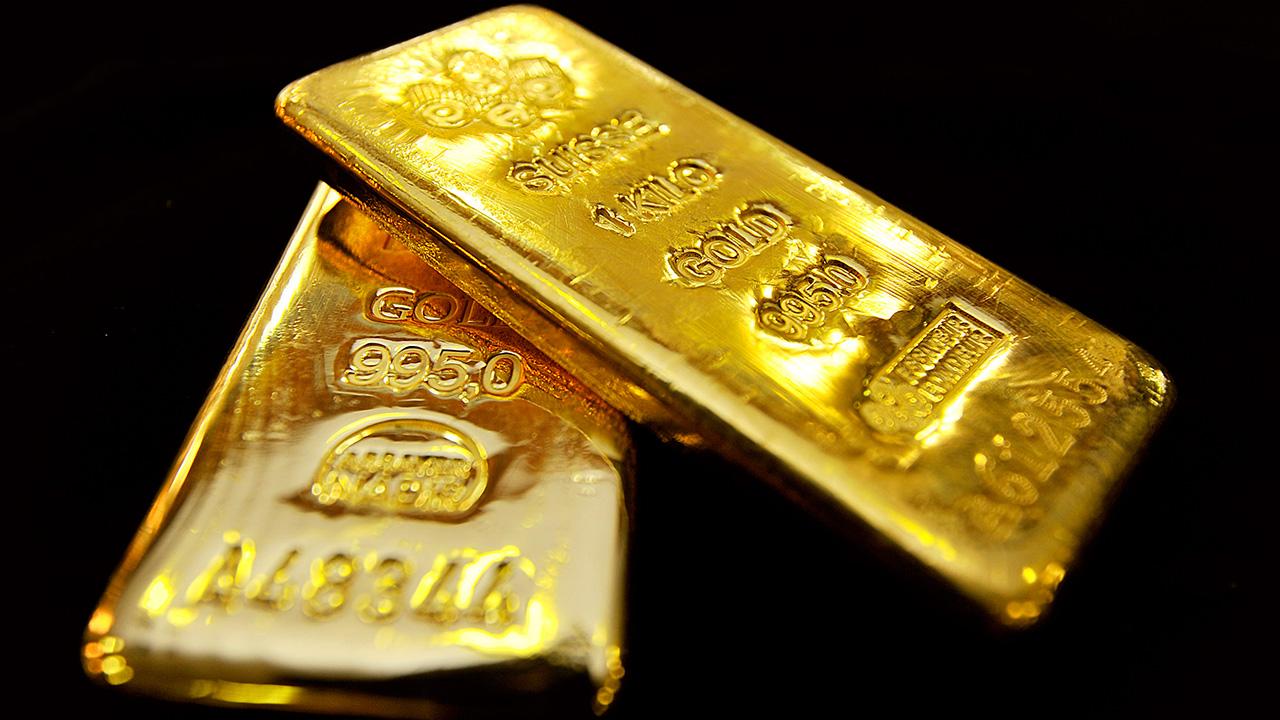
The ounce of gold started July on a positive note due to the positive impact of US employment data announcements and optimism regarding geopolitical developments.
Nonfarm payrolls in the U.S. rose by 57,000 people in June, well below market expectations. While the upward trend in employment continued in professional and commercial services, social assistance and health services, there were job losses in the entertainment and accommodation sectors.
The April nonfarm employment increase was revised from 179,000 to 148,000, and the May increase was revised from 172,000 to 129,000.
The unemployment rate in the USA fell to 4.2 percent in June. Market expectations were that the unemployment rate during this period would be 4.3 percent, as in May. This situation supported the assessment that the Fed could be more flexible on the interest rate path in the coming period and led investors to lower their expectations of a rate hike. With this development, the falling demand for the dollar also supported the prices of precious metals, especially gold.
An ounce of gold rose 2.5 percent to $4,000,175 on a weekly basis after five weeks, notching its first weekly gain as the Fed reduced its rate hike expectations after U.S. jobs data fell short of expectations.
On the other hand, the decline in oil prices to pre-war levels due to easing geopolitical tensions also supported gold prices, while investors' shift away from risky assets due to the decline in technology stocks last week also impacted the price increase.
Fears that geopolitical developments in the Middle East would increase inflationary pressures, and the fact that these fears increased “hawkish” expectations for the Fed, contributed to the decline in gold prices this year, with an ounce of gold losing 7.1 percent of its value in the first half of the year.
“(US non-farm payrolls data) This supported gold in terms of returns.”
Australia-based KCM Trade Global chief market analyst Tim Waterer said gold benefited from the dollar's slight decline this week.
Waterer explained that weaker-than-expected non-farm payrolls data slowed the dollar's momentum to some extent and this contributed to the rise in gold prices: “The announced non-farm payrolls data coming in below 100,000 reduced the urgency of the Fed's rate hikes to some extent, which supported gold in terms of returns.”
Waterer pointed out that oil prices are at low levels and this is supporting gold inflation.
Waterer emphasized that it was a better week for gold, but that gold has not yet regained the momentum it gained at the beginning of the year, assessing: “For gold to continue to increase its upward momentum, the dollar must lose even more value.”
Bir yanıt yazın