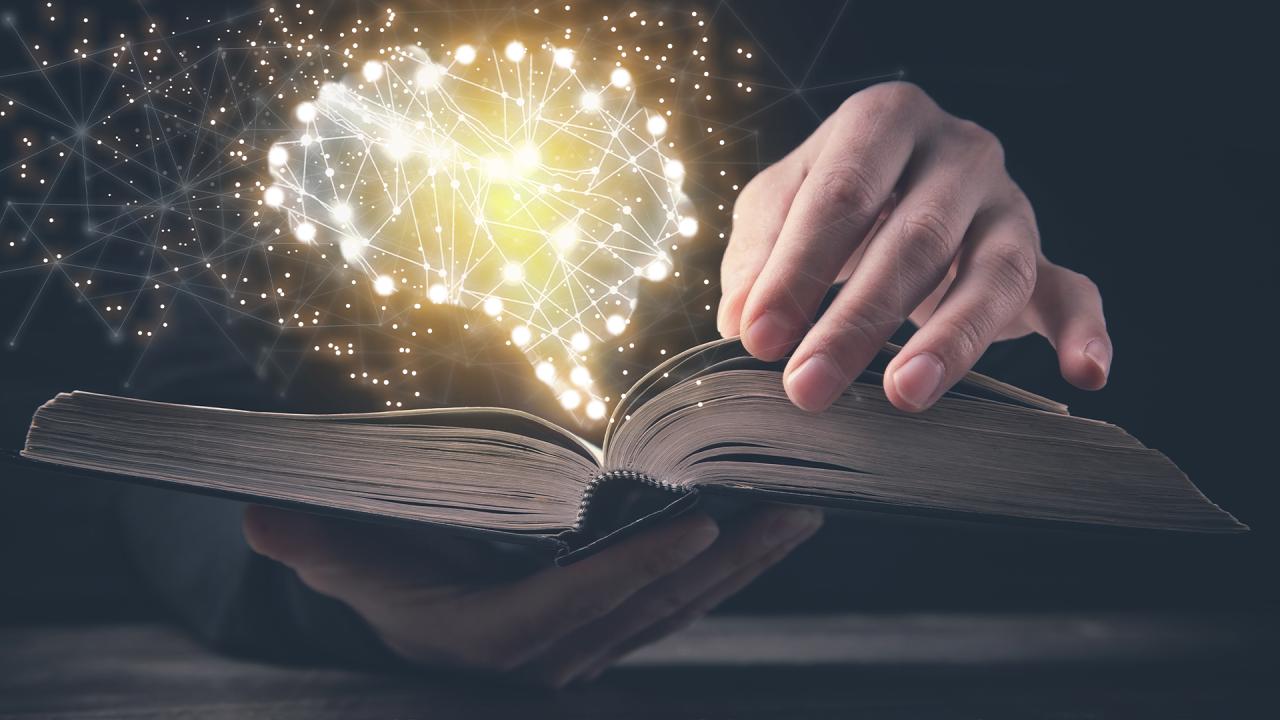
The Greenwich Royal Observatory, one of England's most established scientific institutions, presented a remarkable risk scenario regarding the rapidly increasing use of artificial intelligence.
Paddy Rodgers, director of the museum group to which the institution is a part, explained that total reliance on ready-made answers offered by technological tools can weaken human intelligence and ability to innovate.
Rodgers stressed that the habits of questioning, research and evaluation of results that underlie knowledge and expertise are at risk of being lost in this new order in which artificial intelligence provides answers to any question in seconds.
“Unnecessary” discoveries that machines would not make advanced humanity
Using examples from the history of astronomy, experts argue that although scientists in the past collected enormous amounts of data about the sky, they also focused on details that were considered completely “unnecessary” at the time.
These additional investigations, which an AI algorithm or machine would never perform, could become a critical resource for validating the world's maritime navigation systems, even 150 years after they were recorded.
In contrast to the filtered and rapid results offered by artificial intelligence, the unexpected information and serendipitous insights that humans encounter while pursuing their own curiosity have led to the greatest breaking points in history.
Convenience creates a gap to the source of information
The potential of artificial intelligence in the scientific world and its achievements such as AlphaFold2, which won the Nobel Prize for solving protein structures, are undeniable. Educators also support using AI as a collaborator to test ideas or co-develop solutions. However, completely transferring the thought process to technology pushes the limitations of these tools to a dangerous level.
While digital sources allow users to go directly to the original source and verify its accuracy, artificial intelligence summaries at the forefront of search engines and social media platforms are increasingly alienating people from verifiable and controllable sources of information.
Bir yanıt yazın