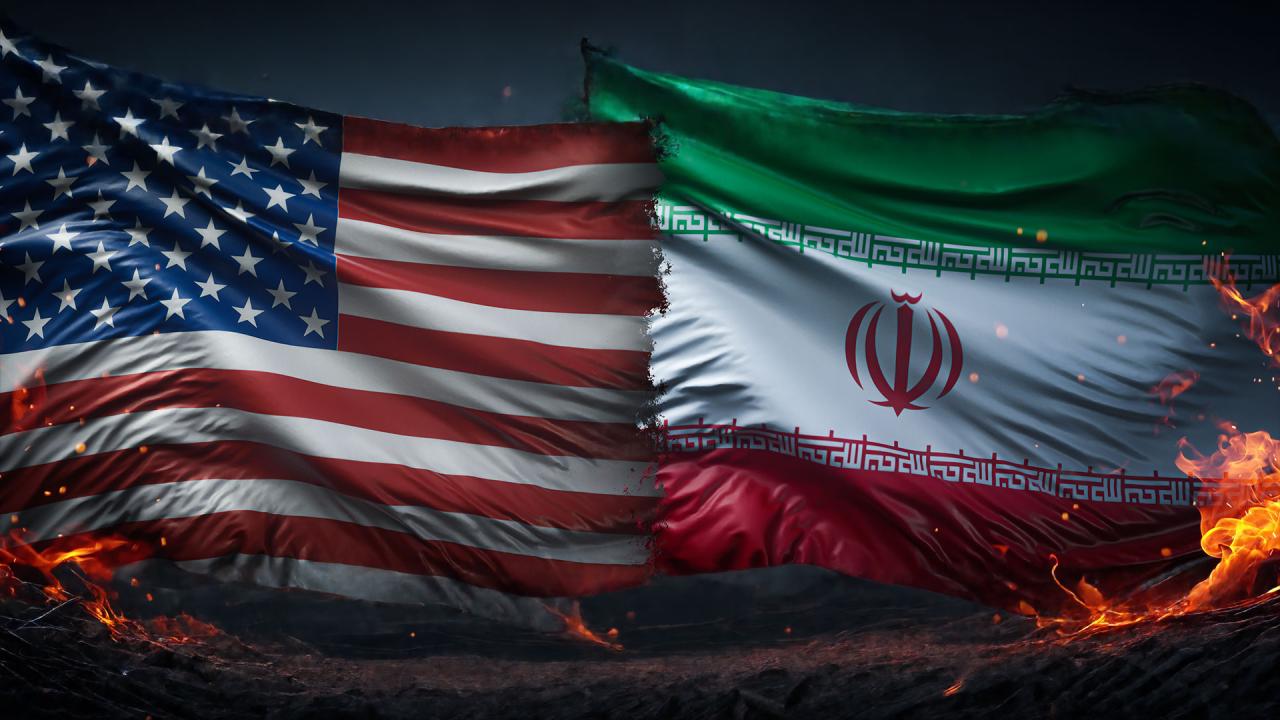
Despite messages from US and Iranian authorities that we are close to an agreement, last night's airstrikes by the American army near Bandar Abbas and Larak Island in southern Iran increased local tensions.
While the US Central Command (CENTCOM) argued that the attack in question was carried out against the possibility that Iranian ships could lay new mines in the region; Iran's Revolutionary Guard Corps said it reserved the right to respond to this attack, which it described as a “ceasefire violation.”
Trump: We're in no hurry to get a good deal
White House sources say US President Donald Trump has put aside the “threatening language” he recently used against Iran and focused more on diplomacy. In a statement after consultations with Turkey, Egypt and Gulf states over the weekend, Trump stressed that they were closer to peace than ever but would not rush into a “good deal.”
It can be seen that the US government is being criticized by the domestic public that “a weak agreement has been signed”, and Trump is trying to evade these reactions by saying: “The text of the agreement is not ready yet, wait for the result.”
Tehran's condition: return of the frozen $24 billion
On the Tehran side of the negotiations, the focus of the negotiations is the release of Iranian assets frozen at Western banks. Iranian Parliament Speaker Mohammed Baqir Qalibaf and Foreign Minister Abbas Araqchi, who held talks in Doha, the capital of Qatar, stipulated that $12 billion of their total $24 billion claims in the first phase should be transferred immediately and the remaining part should be settled within 30 to 60 days.
Critical thresholds in negotiations
Diplomatic sources indicate that the main impasse between the parties has two main causes.
The US government is demanding that Iran's enriched uranium either be brought to the US or destroyed in Iran under international control. Tehran, on the other hand, rejects the option of destruction, arguing that nuclear energy is an “inalienable right” to its peaceful use in areas such as medicine and industry.
Iran wants to generate revenue under the name “taxes” from the ships that pass through the strategically important Strait of Hormuz for their maintenance and security. The US, on the other hand, claims that the Bosphorus should be a completely free and free transit route under a possible peace agreement.
Khamenei Regional Unity Embassy
On the other hand, Iranian leader Mojtaba Khamenei emphasized regional cooperation in his message on the occasion of Hajj. Khamenei argued that the US military presence in the region should be ended and called for unity and solidarity in the Islamic community.
Experts believe that the concrete steps the parties will take on nuclear and financial issues in the coming days will determine whether the local military conflicts will be classified as “traffic accidents.”
Bir yanıt yazın