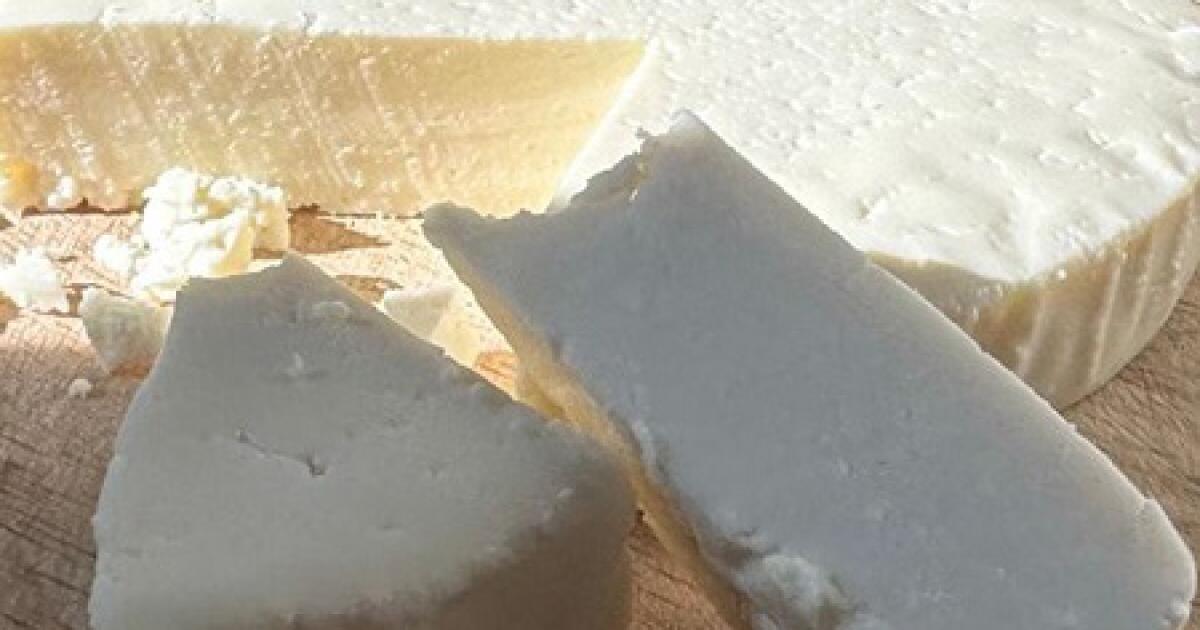
After federal inspectors found potentially deadly bacteria in samples of its products, Modesto-based Rizo Lopez Foods Inc. this month recalled all packaged goods, including various types of Cotija cheese, yogurt and sour cream.
The bacterium in question Listeria monocytogenes, can cause listeriosis, a foodborne infection that is often harmless but occasionally fatal. According to the U.S. Food and Drug Administration, a specific genetic strain of the bacterium has been linked to infections dating back to June 2014.
The agency examined the chain of infections in 2017 and 2021 and found a likely link to queso fresco and similar cheeses, but was unable to determine which company or companies sold the products. Then, in January, health officials found the same strain of Listeria in a sample of Rizo Bros Aged Cotija. FDA testing at Rizo Lopez Foods' manufacturing facility also found a sample containing this strain, prompting the company to voluntarily recall its entire product line.
Since then, numerous packaged food manufacturers that contained Rizo Bros cheese have recalled their products. These include salads and prepared meals from Dole, Trader Joe's, Von's, Costco, Albertsons and Bristol Farms.
Only 26 infections linked to this strain have been reported to the U.S. Centers for Disease Control and Prevention, but the CDC says many people who become infected with listeria do not report it. The agency interviewed 22 of the infected people and 16 said they had eaten queso fresco, cotija or similar cheeses.
Given the number of products Rizo Lopez has sold and the small number of reported cases, the likelihood of anyone becoming dangerously ill seems slim. Still, the FDA recommends that people check their refrigerators and freezers for similar products and throw away any products found.
Here's what you need to know about the disease and the recent recalls.
What is listeria?
Technically, the term refers to bacteria, but is often used instead for listeriosis, the disease. The bacteria are unusually resilient and can survive refrigeration and even freezing, says the Mayo Clinic.
Potential breeding grounds for the bacteria include moist environments, soil, water, decaying vegetation and animals, the FDA said. Food can absorb the bacteria when it comes into contact with contaminated surfaces or environments. Pets that eat contaminated food can also spread it around the home.
What are the symptoms of a listeria infection?
According to the Mayo Clinic, “Healthy people rarely get Listeria infection.” If you experience symptoms, they can start like an upset stomach, with vomiting and diarrhea occurring up to 24 hours after eating contaminated food and lasting one to three days. However, according to the CDC, this type of illness is rarely diagnosed because laboratories typically do not look for listeria when testing stool samples from patients.
The danger is that the infection spreads beyond the stomach and becomes invasive.
According to the CDC, symptoms of invasive listeriosis in pregnant women are usually similar to those of the flu — fever, muscle aches and fatigue — but tend to be mild if they occur at all. But the risk to a fetus is enormous; Infection during pregnancy “usually results in miscarriage, stillbirth, premature birth, or life-threatening infection of the newborn,” the CDC says.
For those who are not pregnant, symptoms can be severe. These include fever, headache and muscle pain, stiff neck, confusion, loss of balance and seizures. According to the CDC, nearly 5% of non-pregnant people who contract invasive listeriosis die.
Who is most at risk?
Because of the danger to fetuses and newborns, pregnant women are a major risk group. But so are people with weaker immune systems, either due to age or an illness or treatment that weakens their body's natural defenses.
The CDC warns that people age 65 and older are four times more likely to get listeriosis than others. People who develop cancer are 10 times more likely to develop it, and those who need dialysis are 50 times more susceptible.
How is listeria transmitted?
It is a food-borne illness, meaning you get it from eating something contaminated with the bacteria. And these are most commonly found in unpasteurized dairy products and improperly processed meats, says the Mayo Clinic.
How can you avoid infection?
The CDC primarily advises against eating dairy products manufactured by Rizo Lopez Foods or its customers. In other words, check the recall list (see below, but also check the FDA's Listeria outbreak page for updates) and do not consume these products.
If you have had one of these products in your refrigerator or freezer, you should disinfect any surfaces or containers it came into contact with, following FDA guidelines for safe handling and cleaning. Otherwise, the robust Listeria bacteria migrate across surfaces and contaminate other products.
Where have listeria infections been reported?
The 26 cases tracked by the CDC are primarily spread across the southern and western United States. Most of the cases — 8, or 30% of the total — occurred in California. Four cases each were recorded in Arizona and Colorado, two cases each were reported in Texas and Tennessee, and one each was reported in six other states.
Which products have been recalled?
Rizo Lopez has recalled nearly 60 products, most of them Mexican cheeses and cremas under the brand names Tio Francisco, Rizo Bros, Casa Cardenas and Campesino.
Additionally, the recalled Rizo Lopez product line includes:
- Cotija Cheese, 16-ounce packages from Food City
- Cotija Enchilado Cheese, 16-ounce packages from Food City
- Crema Mexicana, 16-ounce packages from Food City and Santa Maria and at retail deli counters in San Carlos
- Fresco cheese at the deli counters of San Carlos, El Huache and La Ordena
- Oaxaca Cheese, 16-ounce packages from Food City and at retail deli counters in San Carlos
- Panela Cheese, 16-ounce packages from Food City and at retail deli counters in San Carlos, Dos Ranchitos and La Ordena
- Queso Crema, 16-ounce packages from Food City and at retail deli counters in San Carlos
- Queso Fresco, 10- and 12-ounce packages from Don Francisco, 14-ounce packages from Rio Grande, 16-ounce packages from Food City and at retail deli counters in San Carlos, Santa Maria and Dos Ranchitos
- Ricotta Cheese, Part-Skim and Whole Milk Varieties, 15-ounce packages from 365 by Whole Foods Market
But wait, there's more. The FDA on Wednesday released a list of 16 recalled processed foods made in part from Rizo Lopez's dairy products. The brands on the list were Bright Farms, Campesino, Casa Cardenas, Dole, Don Francisco, Don Pancho, Dos Ranchitos, El Huache, Food City, Fresh & Ready Foods, Fresh Express, HEB, Jack & Olive, La Ordena, Marketside, Maverick Foods, President's Choice, Ready Pac Bistro, Rio Grande, Rizo Bros, Rojo's, San Carlos, Santa Maria, Sprig & Sprout, the Perfect Bite Co., Tio Francisco, Trader Joe's and 365 by Whole Foods Market. Some of the 16 items were sold by multiple brands.
Some supermarkets also sold unbranded taco kits, wraps and meals, which included Rizo Lopez cheese. These were Albertsons, Bristol Farms, Carrs-Safeway, Costco, Eagle, Lucky, Pavilions, Randalls, Safeway, Save Mart, Shaw's, Sprouts, Star Market, Stater Bros. Markets, Tom Thumb and Vons.
Bir yanıt yazın