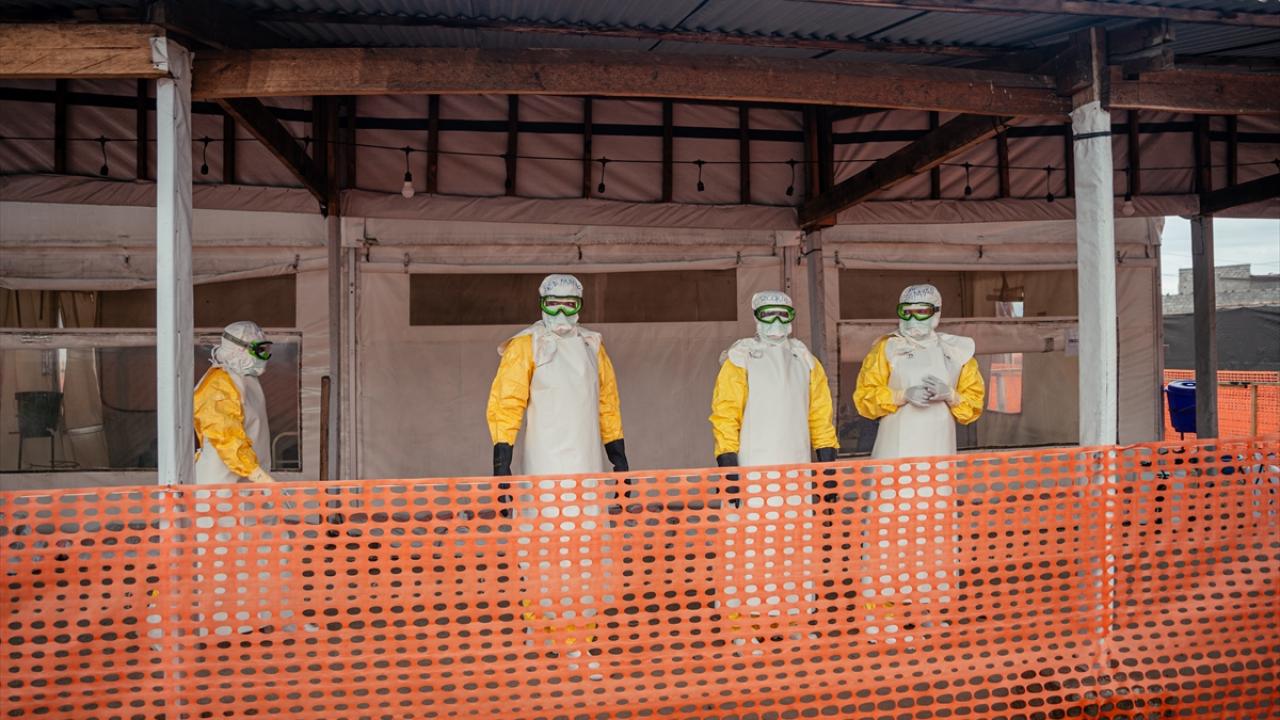
The latest outbreak, which has caused concern across Africa, is caused by a strain of the virus called “Bundibugyo,” which is rarer than other types.
Although effective vaccines and treatments have been developed against the Zaire strain, which has caused serious epidemics in the past, there is still no officially approved vaccine or treatment for the Bundibugyo strain.
The fact that pharmaceutical companies did not consider this rare species a priority in the past is now leaving healthcare professionals helpless against the deadly virus. As with severe flu, patients can only receive symptom-relieving measures.
This dangerous species, whose mortality rate varies between 30 and 50 percent, spreads much faster due to the lack of a protective shield.
Conflicts and thousands of untraceable cases
One of the biggest reasons for the failure to control the epidemic, which began in eastern Democratic Republic of Congo and spread to neighboring Uganda, is security problems in the region.
Clashes between armed forces and rebel groups are making it almost impossible for medical teams to move freely in the field and trace the chain of contacts of those infected. While the number of cases has risen exponentially since the World Health Organization declared a state of emergency, experts believe the real picture could be much worse.
Authorities say the whereabouts of more than 26,000 people who are infected but cannot be reached and are continuing to spread the virus are unknown.
Social distrust and misinformation
Another major obstacle complicating the fight against the epidemic is the wave of disinformation and mistrust that is spreading among the local population. Many people in the area believe the disease was invented by the government to raise money.
In addition to hiding symptoms of the disease, obstructing traditional funeral rituals also creates serious tensions between the public and health professionals. Eventually, a group of local residents raided the hospital and set fire to the treatment tents, bringing the humanitarian aid and medical intervention processes to a dead end.
International aid has fallen significantly
Compared to the Ebola outbreaks, which were brought under control in previous years with billions in budgets and military logistical support, the silence of the international community this time is remarkable. Only a fifth of the urgently needed half billion fund to contain the epidemic has been collected so far.
Cuts in aid budgets and global health programs by the United States and European countries are leading to local shortages of even the most basic medical supplies such as masks, gloves and protective clothing.
Experts are urgently calling for widespread international solidarity to both combat the virus and regain public trust.
Bir yanıt yazın