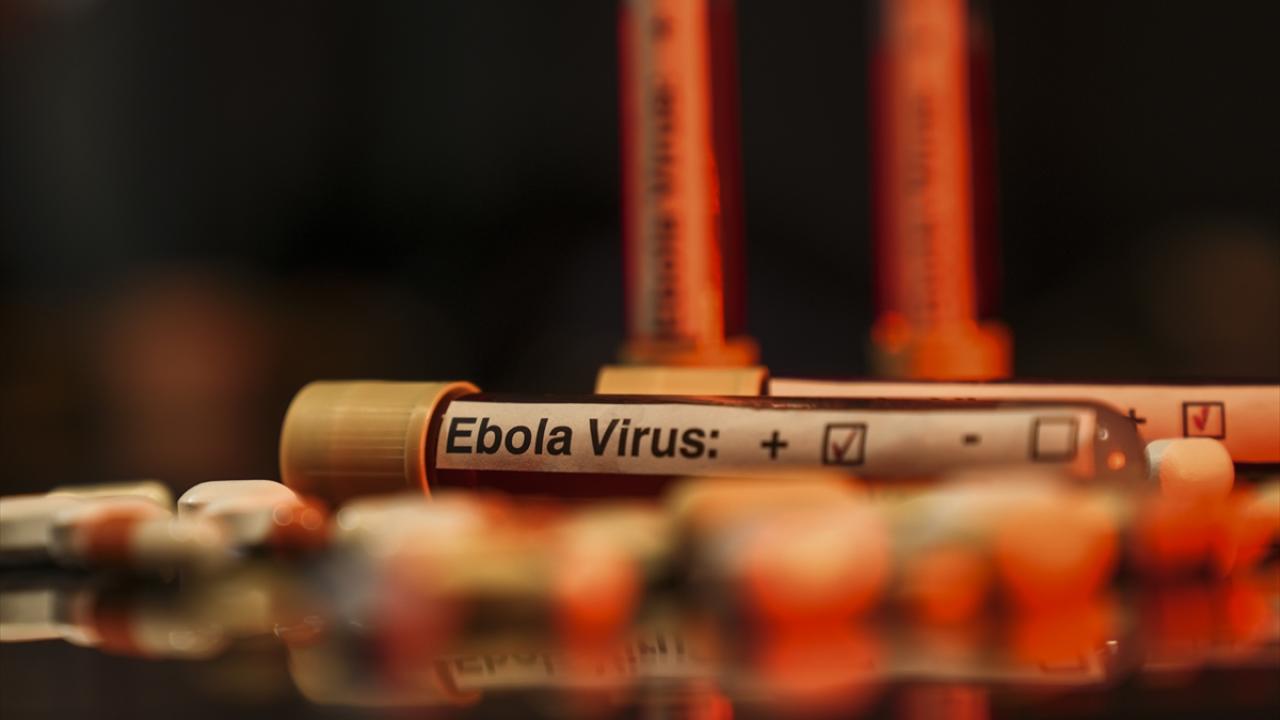
The scale of the Ebola epidemic that has escalated in Central Africa has reached a dangerous point that threatens global health security. Computer-based modeling analyzes released by the US Centers for Disease Control and Prevention (CDC) show that the number of cases in the region could exceed 10,000 to 20,000 in the near future.
Experts are seriously warning that the current situation is on a similar path to the deadliest Ebola epidemic in history, which struck West Africa between 2014 and 2016, causing more than 28,000 cases and 11,000 deaths.
CDC officials emphasize that this frightening scenario is inevitable unless strong and decisive public health measures are taken.
A new strain without treatment or vaccination
The Africa Centers for Disease Control and Prevention has reported nearly 400 confirmed cases and 63 deaths in the region so far. However, experts point out that there are many hidden cases that are not diagnosed or recorded in official records. The current wave of this deadly virus, which is transmitted through bodily fluids, is caused by a specific strain called “Bundibugyo.”
The most important factor that makes this species more dangerous is that there is still no specific approved treatment or vaccination. Due to the seriousness of the situation, the World Health Organization (WHO) declared a global health emergency last May.
Conflicts undermine the fight against the epidemic
Not only medical inadequacies but also geopolitical crises in the region play a role in the dangerous course of the epidemic. Armed conflict between the Congolese government and the Rwandan-backed rebel group M23, as well as attacks by groups linked to the terrorist organization ISIS, are complicating access for medical teams to the region.
The fact that hundreds of thousands of people have been displaced and migrated due to violent incidents increases the risk of the virus spreading uncontrollably. Although health officials say the number of cases can be reduced by half if at least 50 to 70 percent of patients are quickly identified and isolated, the local conflict environment makes it nearly impossible to achieve these isolation rates.
Predictions have a margin of error
Although scientists agree that modeling reports are crucial to show the extent of the threat, they also remind us of the difficulty of predicting the course of epidemics. It should be noted that the margin of error in forecasts made with limited and incomplete data is always high.
In fact, the worst-case scenario published by the CDC during the major epidemic in 2014, which predicted that 1.4 million people could be infected if precautions were not taken, was 50 times higher than the actual situation. However, experts emphasize that erroneous predictions of the past should not be an excuse to ignore the current “dangerous trend”.
Bir yanıt yazın