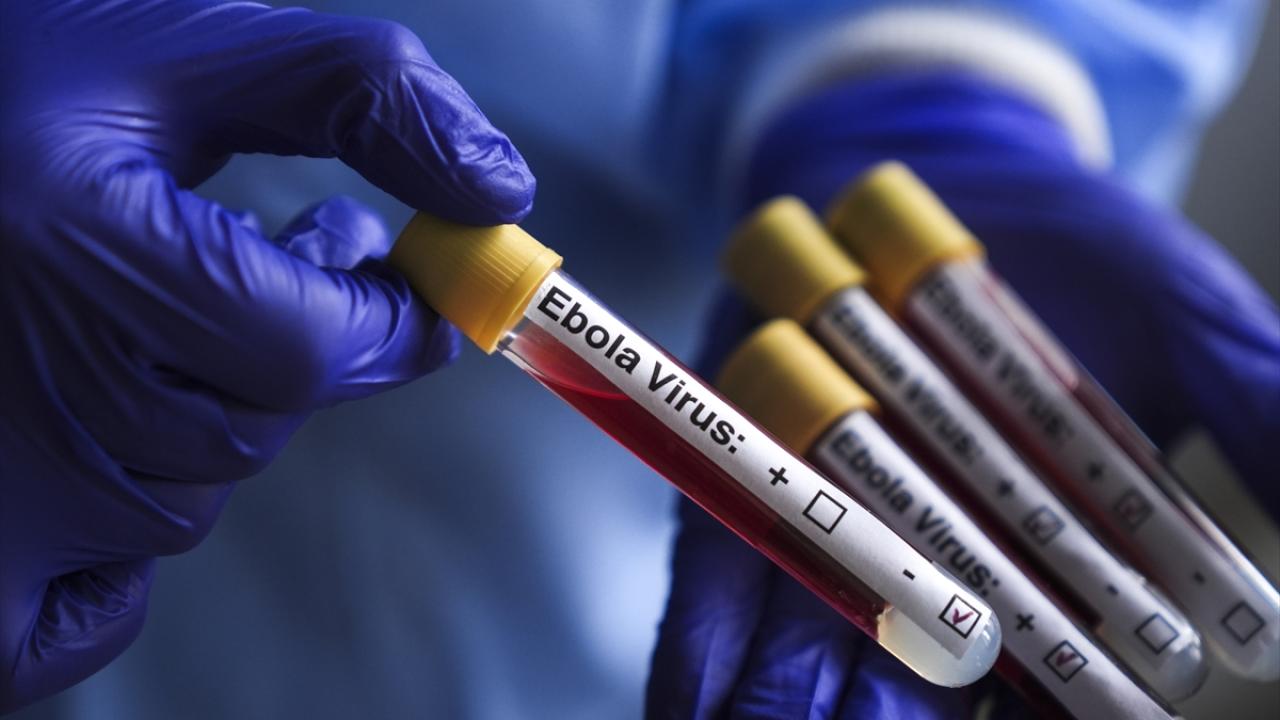
The Ebola epidemic that broke out in Ituri province in the eastern Democratic Republic of Congo (DRC) alarmed international health organizations. Although only two weeks have passed since the epidemic was declared, the scale of the number of cases is described by humanitarian organizations as “deeply worrying”.
The Deputy Director General of Doctors Without Borders (MSF), Dr. Alan Gonzales, emphasized that never before in the history of medicine has an Ebola epidemic seen such a high increase in cases in such a short period of time.
Explaining that teams on the ground are struggling to keep up with the rate of spread of the virus, Gonzales explained that hundreds of suspects are waiting to be tested and the true extent of the epidemic cannot yet be fully estimated.
A rare strain for which there is no vaccine complicates the fight
One of the issues that most worries health experts is that the virus that caused the epidemic is a rare strain of Ebola called “Bundibugyo.” In contrast to the globally known Ebola strains, there is neither a vaccine nor a specific drug treatment that has been proven effective for the Bundibugyo variant.
The fight against this dangerous virus, which causes the death of one in three infected people, is currently limited to patient quarantine and intensive supportive treatments to relieve symptoms.
World Health Organization (WHO) President Dr. traveled to the city of Bunia, the epicenter of the epidemic, to examine the humanitarian crisis in the region. Tedros Adhanom Ghebreyesus revealed that border and airport closures to curb the spread of the virus delayed medical assistance.
The long-standing internal conflicts in eastern Congo also threaten the safety of medical teams and disrupt fusion and disinfection work. After the epidemic spread to neighboring Uganda and claimed lives, a large-scale hygiene campaign was launched, with mandatory disinfection stations set up on international airlines and regional airports.
Funeral traditions spread the virus
WHO chief Ghebreyesus addressed local people and warned that traditional habits should be temporarily suspended to bring the epidemic under control. He recalled that the touching and washing rituals carried out at the last service, especially for the relatives of the deceased, paved the way for rapid transmission of the virus to healthy people through bodily fluids such as saliva, blood and sweat.
On the other hand, the quarantine of people returning from Congo and suspected of having Ebola in distant regions such as Brazil shows the potential for the crisis that began as a local epidemic to develop into a global threat.
Bir yanıt yazın