According to the Itimad newspaper, Iranian President Pezeshkian spoke at a meeting he attended during his visit to the city of Senendec in the west of the country.
Regarding the water crisis caused by drought in Iran, Pezeshkian said: “Iran is currently facing natural crises such as insufficient rainfall and water resources, and these crises can have serious consequences.”
Pezeşkiyan emphasized the need for savings and better management of water and energy consumption, pointing out that the water problem in Tehran is particularly alarming. Pezeshkiyan said: “If it doesn't rain, we will have to restrict the water supply in Tehran from next month. If it doesn't rain after that, we will have no water and will have to evacuate Tehran.”
Water crisis in Tehran
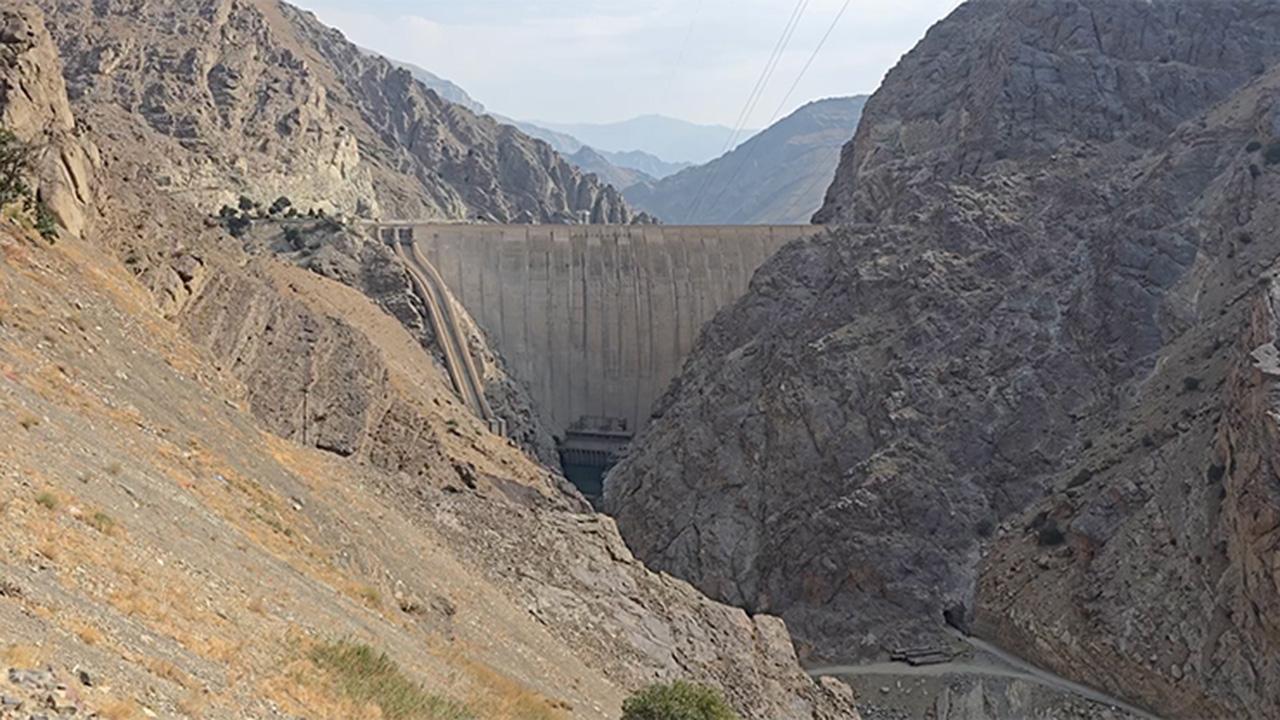
Tehran's water supply comes from five dams called Lar, Mamlu, Emir Kebir, Talikan and Latyan, the largest of which is the Emir Kebir Dam.
Over the past five years, there has been a significant decrease in rainfall across Iran. Data from meteorological institutions show that rainfall in Tehran this year is about 40 percent below seasonal norms. The almost complete lack of rainfall, especially in spring and summer, led to a decline in reserves in the dams. This situation led to a serious decline not only in surface water, but also in underground water reserves.
The Tehran Provincial Water Administration warned on July 20 that due to drought in Iran over the past five years, reserves in the dams supplying water to Tehran have reached their lowest level in the last century.
There were occasional water outages in the city during the summer.
In his statement on the issue on July 23, Iranian President Pezeshkian stated that if the water shortage in Tehran continues at its current pace and no solution is found, it will be impossible to provide water to the population.
In a statement on November 3, Behzad Parsa, director general of the Tehran Water Administration, warned that the dam's reserves could only supply Tehran with water for two more weeks at most.
Bir yanıt yazın