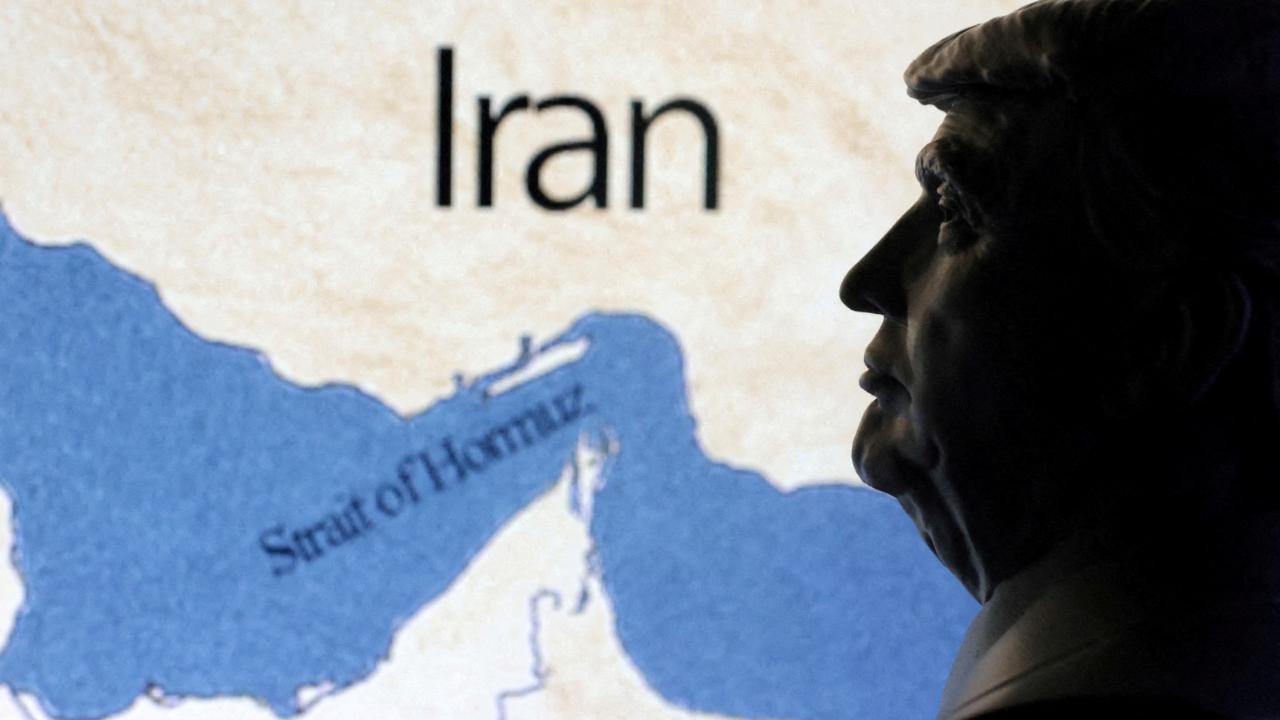
The Supreme National Security Council released a written statement on the situation in the Strait of Hormuz and the negotiation and ceasefire process with the United States.
He pointed out that the talks with the US brokered by Pakistan were inconclusive because of Washington's “excessive demands”: “Recently, when the Pakistani army commander (Chief of General Staff Asim Munir) was in Tehran as a mediator and mediator in the negotiations, new offers were made by the Americans. Iran is examining these offers and has not yet responded.” Expressions were used.
It stated that the Iranian negotiating team would “make no concessions” and “take no steps backwards on the rights of its people” in talks with the US.
It was recalled that with the implementation of a ceasefire in Lebanon, the Strait of Hormuz was open to the passage of merchant ships only until the end of the ceasefire period, and the following statements were made:
“Recognizing that the vast majority of equipment at U.S. military bases in the Persian Gulf region is delivered by ships transiting the Strait of Hormuz and that this poses a threat to the national security of Iran and the Gulf region, Iran is committed to monitoring and controlling traffic through the Strait of Hormuz until the war is finally ended and lasting peace is established in the region.”
It noted that the ships undergoing this process “must bear the costs related to safety and environmental protection services in accordance with the regulations announced by Iran.”
Regarding US naval blockade initiatives, the statement said: “As long as Iran continues to prevent the passage of enemy ships and implements methods such as naval blockade, it will consider this a violation of the ceasefire and prevent the conditional and limited opening of the Strait of Hormuz.” It has been said.
Bir yanıt yazın