Farhan Haq, Deputy Spokesperson for the Secretary-General of the United Nations (UN), spoke at the daily press conference.
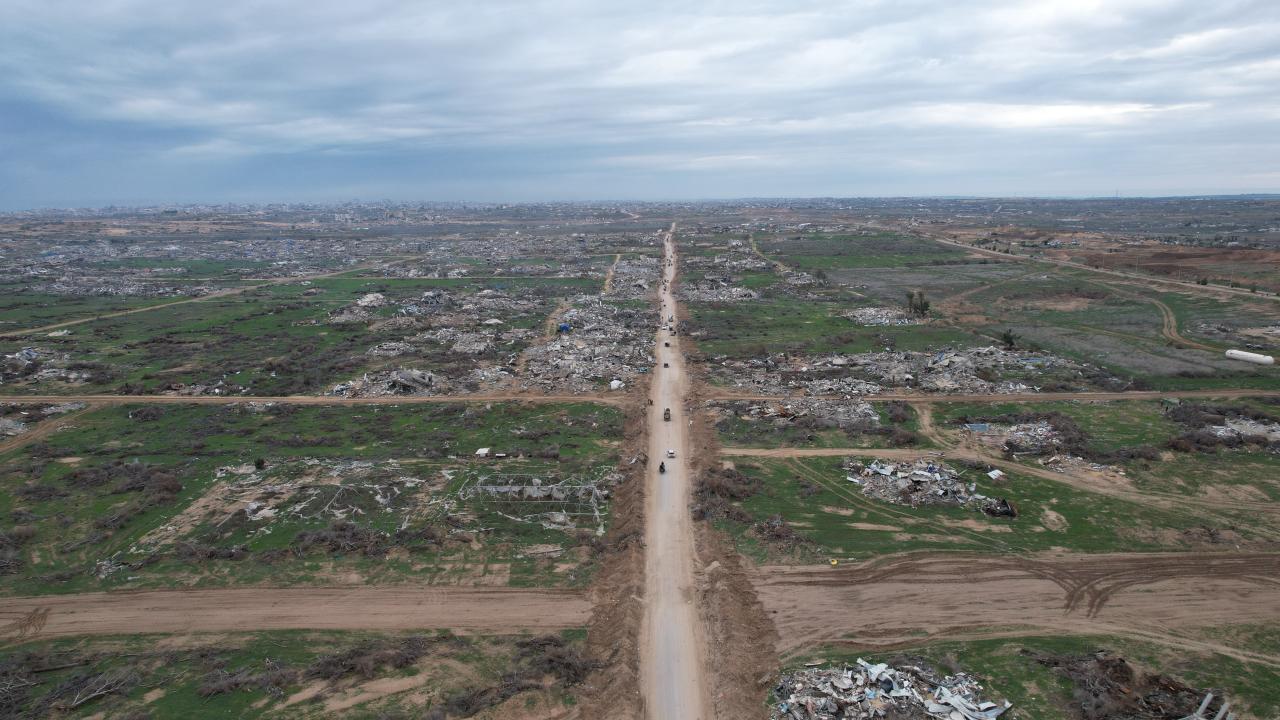
Haq said that agricultural land had been severely damaged and soil polluted by Israeli attacks in Gaza. “Only 13 percent of Gaza’s cultivated land has not been damaged, and most of it is inaccessible because it is in areas where Israeli forces are stationed.” he said.
Haq stressed that, according to a recent geographical analysis by the UN Satellite Center (UNOSAT), 79 to 89 percent of Gaza's agricultural infrastructure was damaged, and orchards and especially olive trees were equally damaged or destroyed in many cases.
Haq explained that the United Nations World Food Program (WFP) is trying to strengthen its distribution network by opening main roads to continue food aid in Gaza, and that as part of this effort, WFP has increased its storage capacity in Gaza to three.
“Entry remains restricted to just two border gates.”
Haq pointed out that while the UN Office for the Coordination of Humanitarian Affairs (OCHA) has made significant progress in allowing humanitarian assistance to enter Gaza, the urgent needs of the people are still very high and obstacles have not been removed quickly enough since the ceasefire.
U.N. spokesman Haq said the U.N. and its partners have moved more than 37,000 tons of aid, mostly food, through the Gaza border gates since the beginning of the week, but entry is still limited to just two border gates.
Haq pointed out that there is no direct access from Israel to the north of the Gaza Strip or from Egypt to the south of the Strip.
Regarding the need for shelter, Haq noted that hundreds of thousands of families in Gaza are still in urgent need of shelter due to weather conditions as winter approaches.
If barriers to accessing humanitarian aid were removed, Haq also said they would have enough supplies to meet the majority of the needs of the approximately 1.5 million Palestinians who require such assistance.
Bir yanıt yazın